If you’re exploring cloud computing, chances are you’ve heard of msft azure. It’s not just another platform—it’s a powerhouse reshaping how businesses innovate, scale, and secure their digital future.



What Is msft azure and Why It Matters

Microsoft Azure, often referred to as msft azure in financial and technical circles, is Microsoft’s comprehensive cloud computing platform. Launched in 2010, it has rapidly evolved into one of the top three cloud providers globally, competing directly with Amazon Web Services (AWS) and Google Cloud Platform (GCP). But what sets msft azure apart isn’t just its scale—it’s its seamless integration with existing Microsoft products like Windows Server, Active Directory, and Office 365, making it a natural choice for enterprises already embedded in the Microsoft ecosystem.
Core Definition and Evolution
At its foundation, msft azure provides on-demand computing resources over the internet. These include virtual machines, storage, databases, networking, and advanced services like artificial intelligence and Internet of Things (IoT). Unlike traditional IT infrastructure, which requires physical hardware and long deployment cycles, msft azure enables organizations to spin up resources in minutes, paying only for what they use.
The journey of msft azure began with Windows Azure, a platform focused on application hosting. Over the years, it expanded dramatically—renamed to Microsoft Azure in 2014—and now encompasses over 200 services across data centers in more than 60 regions worldwide. This global footprint ensures low-latency access and compliance with regional data laws, a critical factor for multinational corporations.
- Started as Windows Azure in 2010
- Rebranded to Microsoft Azure in 2014
- Now supports 60+ global regions
Key Components of the Platform
msft azure is not a single product but an ecosystem of interconnected services. The major pillars include Compute, Storage, Networking, and Security. Under Compute, users can deploy Virtual Machines (VMs), Kubernetes clusters via Azure Kubernetes Service (AKS), or serverless functions using Azure Functions. Storage offers blob, file, queue, and table storage with tiered pricing based on access frequency.
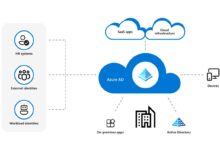
Networking in msft azure revolves around Virtual Networks (VNet), Load Balancers, and Azure DNS, enabling secure and scalable communication between resources. Security is enforced through Azure Active Directory (AAD), Azure Firewall, and Microsoft Defender for Cloud, providing identity management and threat protection across hybrid environments.
“Azure is not just about technology; it’s about transformation.” — Satya Nadella, CEO of Microsoft
Top 7 Advantages of Using msft azure
Organizations choose msft azure not just because it’s powerful, but because it delivers measurable business value. From cost efficiency to innovation acceleration, here are seven compelling reasons why msft azure stands out in the crowded cloud marketplace.
Seamless Hybrid Cloud Integration
One of msft azure’s strongest differentiators is its hybrid cloud capability. Many enterprises operate in a hybrid model—part on-premises, part in the cloud. msft azure excels here with services like Azure Arc, which allows management of on-premises servers, edge devices, and multi-cloud environments from a single control plane.
This means a company running SQL Server on-premises can extend its operations to msft azure without re-architecting applications. Similarly, Azure Stack brings cloud services directly into private data centers, offering consistency in APIs, tooling, and security policies. This flexibility reduces migration friction and protects existing IT investments.
According to Microsoft, over 95% of Fortune 500 companies use msft azure, largely due to this hybrid advantage. For industries like finance and healthcare, where regulatory compliance demands data residency, hybrid solutions offer the perfect balance between innovation and control.
Unmatched Enterprise-Grade Security
In an era of rising cyber threats, security is non-negotiable. msft azure invests over $1 billion annually in cybersecurity and employs more than 3,500 security experts. It offers built-in encryption for data at rest and in transit, multi-factor authentication, and advanced threat detection powered by AI.
Azure Security Center (now part of Microsoft Defender for Cloud) provides unified security management and advanced threat protection across hybrid cloud workloads. It continuously monitors for vulnerabilities and recommends remediation steps. For example, if a virtual machine is found with an open RDP port, Defender will flag it and suggest closing the port or restricting access via Network Security Groups (NSGs).
Additionally, msft azure complies with more than 90 compliance certifications, including GDPR, HIPAA, ISO 27001, and FedRAMP. This makes it a trusted choice for government agencies and regulated industries. You can explore the full list of certifications at Microsoft’s Compliance Center.
Cost Efficiency and Pay-as-You-Go Model
Traditional IT infrastructure involves significant upfront capital expenditure (CapEx) for servers, storage, and networking gear. msft azure shifts this to operational expenditure (OpEx), allowing businesses to pay only for the resources they consume.
For example, a startup launching a new web app can deploy a Linux VM on msft azure for as little as $10 per month. If traffic spikes, they can scale up automatically and then scale down when demand drops—avoiding over-provisioning. Azure Cost Management + Billing provides detailed insights into spending patterns, helping teams optimize usage and eliminate waste.
Reserved Instances offer even greater savings—up to 72% off compared to pay-as-you-go pricing—for workloads with predictable usage. Additionally, the Azure Hybrid Benefit allows customers with existing Windows Server and SQL Server licenses to apply them in the cloud, reducing costs further.
Global Scale and High Availability
msft azure operates in 60+ geographic regions, more than any other cloud provider. This global presence ensures low latency and high availability for applications serving users worldwide. Each region consists of multiple data centers connected by high-speed networks, forming Availability Zones—physically separate locations within a region that protect against data center failures.
For instance, if a natural disaster affects one data center in the East US region, workloads can automatically fail over to another zone with minimal downtime. Services like Azure Traffic Manager and Azure Front Door route user requests to the nearest healthy endpoint, ensuring optimal performance and resilience.
Companies like BMW, Adobe, and ASOS rely on msft azure’s global infrastructure to deliver seamless digital experiences to millions of customers every day.
AI and Machine Learning Capabilities
msft azure isn’t just about infrastructure—it’s a platform for innovation. Its AI and machine learning tools empower developers and data scientists to build intelligent applications without deep expertise in data science.
Azure Machine Learning provides a drag-and-drop interface for building models, automated ML for hyperparameter tuning, and MLOps for managing the machine learning lifecycle. Pre-built AI services like Azure Cognitive Services allow developers to add vision, speech, language, and decision-making capabilities to apps with just a few lines of code.
For example, a retail company can use Computer Vision to analyze customer behavior in stores via security cameras, or a call center can integrate Speech to Text to transcribe and analyze customer interactions in real time. These capabilities are democratizing AI, making it accessible to organizations of all sizes.
Developer-Friendly Tools and Ecosystem
msft azure integrates seamlessly with popular development tools like Visual Studio, GitHub, and Azure DevOps. Developers can write code locally, push it to GitHub, and trigger automated pipelines that deploy applications to msft azure—all without leaving their workflow.
Azure DevOps offers CI/CD (Continuous Integration/Continuous Deployment), project management, and testing tools in one integrated suite. With GitHub Actions, teams can automate builds, run tests, and deploy to production environments with confidence.
Moreover, msft azure supports a wide range of programming languages—Python, .NET, Java, Node.js, Go, and more—making it a polyglot-friendly platform. Whether you’re building microservices, serverless functions, or containerized apps, msft azure has the tools to support modern development practices.
Sustainability and Environmental Responsibility
As climate change becomes a pressing global issue, sustainability is a growing concern for enterprises. msft azure is committed to being carbon negative by 2030 and removing all historical emissions by 2050. Its data centers are among the most energy-efficient in the world, using advanced cooling techniques and renewable energy sources.
Microsoft has signed power purchase agreements (PPAs) for over 14 gigawatts of renewable energy, one of the largest corporate commitments globally. Additionally, Azure’s Carbon Impact dashboard allows customers to track the carbon footprint of their cloud usage and make informed decisions about resource allocation.
By migrating to msft azure, organizations can reduce their own carbon emissions—studies show that cloud computing can be up to 93% more energy-efficient than on-premises data centers.
How msft azure Compares to AWS and Google Cloud
While AWS was the first to market and remains the largest cloud provider by market share, msft azure has been closing the gap rapidly. As of 2024, AWS holds about 32% of the market, msft azure around 23%, and Google Cloud about 10%, according to Synergy Research Group.
Market Share and Growth Trends
msft azure’s growth is fueled by its strong enterprise relationships, hybrid cloud leadership, and integration with Microsoft 365. Unlike AWS, which started as a cloud-native platform, msft azure leveraged Microsoft’s existing customer base in corporate IT, giving it a strategic advantage in selling to large organizations.
Its revenue from cloud services has grown consistently, with Azure’s year-over-year growth exceeding 20% in recent quarters. This growth is driven not only by infrastructure but also by higher-margin services like AI, security, and productivity tools.
Google Cloud, while innovative in AI and data analytics, struggles to match the enterprise sales force and hybrid capabilities of msft azure. AWS remains dominant in startups and pure-play cloud adopters, but msft azure wins in regulated industries and legacy-heavy environments.
Feature-by-Feature Comparison
When comparing core services, all three platforms offer similar capabilities—but with different strengths. For example:
Compute: AWS EC2 vs.Azure VMs vs.Google Compute Engine – all are mature, but Azure VMs integrate better with Windows environments.Storage: AWS S3, Azure Blob Storage, and Google Cloud Storage offer comparable durability and scalability, but Azure Blob Storage has tighter integration with on-premises file shares via Azure File Sync.Networking: Azure Virtual Network provides deep integration with on-premises Active Directory, while AWS VPC is known for its flexibility and granular control.AI/ML: Google leads in AI research (e.g., TensorFlow), AWS offers the broadest set of ML tools, but msft azure excels in ease of use and enterprise deployment.Ultimately, the choice depends on organizational needs..
If you’re deeply invested in Microsoft products, msft azure is the logical choice.If you’re building a cloud-native app from scratch, AWS might offer more maturity.For data science and AI experimentation, Google Cloud is compelling..
Integration with Existing IT Ecosystems
This is where msft azure truly shines. For companies using Microsoft Active Directory, Exchange, or Dynamics 365, migrating to msft azure means minimal disruption. Single sign-on (SSO), identity synchronization, and group policy management work seamlessly across on-premises and cloud environments.
In contrast, integrating AWS with on-premises Microsoft systems often requires additional configuration and third-party tools. Google Cloud, being less aligned with Windows-based infrastructures, presents even steeper integration challenges for traditional enterprises.
“The cloud is not about replacing your IT—it’s about extending it.” — Scott Guthrie, Executive Vice President, Microsoft Cloud & AI
Key Services Offered by msft azure
msft azure’s service catalog is vast, but certain offerings stand out due to their popularity, innovation, and business impact. Understanding these key services helps organizations leverage the platform effectively.
Azure Virtual Machines (VMs)
Azure VMs are the backbone of compute in msft azure. They allow users to run Windows or Linux operating systems in the cloud with full administrative control. VMs can be used for everything from hosting websites to running enterprise applications like SAP or Oracle.
Users can choose from hundreds of pre-configured VM sizes optimized for general purpose, memory-intensive, GPU-accelerated, or high-performance computing (HPC) workloads. For example, the NVv4 series comes with NVIDIA GPUs for graphics rendering and AI training.
VMs can be deployed via the Azure portal, PowerShell, CLI, or Infrastructure as Code (IaC) tools like Terraform and ARM templates. This flexibility supports both beginners and advanced users.
Azure Blob Storage and Data Management
Azure Blob Storage is Microsoft’s object storage solution, ideal for unstructured data like images, videos, logs, and backups. It offers three tiers: Hot (frequent access), Cool (infrequent access), and Archive (rare access), allowing cost optimization based on usage patterns.
For structured data, Azure SQL Database provides a fully managed relational database with built-in high availability, automatic backups, and AI-powered performance tuning. It’s compatible with SQL Server, making migration straightforward.
Azure Data Lake Storage is designed for big data analytics, supporting massive-scale data lakes used by tools like Azure Synapse Analytics and Databricks. It enables secure, hierarchical data storage for advanced analytics and machine learning.
Azure Kubernetes Service (AKS)
As containerization becomes standard, AKS has emerged as a leading managed Kubernetes service. It simplifies cluster deployment, scaling, and management, allowing developers to focus on applications rather than infrastructure.
AKS integrates with Azure Monitor for logging and performance tracking, Azure Policy for governance, and Azure DevOps for CI/CD pipelines. It also supports hybrid deployments via Azure Arc, enabling consistent Kubernetes management across clouds and on-premises.
Companies like BMW and UPS use AKS to run microservices at scale, improving agility and reducing time-to-market for new features.
Security and Compliance in msft azure
Security is not an add-on in msft azure—it’s built into every layer of the platform. From physical data center security to advanced threat intelligence, Microsoft ensures that customer data is protected by default.
Physical and Network Security
msft azure data centers are among the most secure facilities in the world. They are guarded 24/7, use biometric access controls, and are designed to withstand natural disasters. Only authorized personnel can access hardware, and all access is logged and audited.
Network traffic within msft azure is encrypted by default, and customers can enforce additional encryption using their own keys via Azure Key Vault. Virtual networks can be segmented using NSGs and Azure Firewall, preventing lateral movement in case of a breach.
Microsoft also operates its own global network backbone, which connects all Azure regions with high bandwidth and low latency. This private network reduces exposure to public internet threats and ensures consistent performance.
Identity and Access Management
Azure Active Directory (AAD) is the identity backbone of msft azure. It provides single sign-on, multi-factor authentication, conditional access policies, and identity protection using AI-driven risk detection.
For example, if a user logs in from an unusual location or device, AAD can automatically require MFA or block the login attempt. Conditional Access policies can enforce rules like “require MFA for access to financial apps” or “block sign-ins from unmanaged devices.”
AAD also supports B2B and B2C scenarios—allowing secure collaboration with external partners or direct customer authentication for web and mobile apps.
Compliance and Audit Capabilities
msft azure maintains compliance with a vast array of international and industry-specific standards. These include:
- GDPR (General Data Protection Regulation)
- HIPAA (Health Insurance Portability and Accountability Act)
- PCI DSS (Payment Card Industry Data Security Standard)
- ISO/IEC 27001, 27017, 27018
- FedRAMP (U.S. Federal Risk and Authorization Management Program)
The Azure Trust Center provides transparency into Microsoft’s compliance posture, including audit reports, certifications, and data handling practices. Customers can also use Azure Policy and Azure Blueprints to enforce compliance at scale across subscriptions.
“Security is everyone’s responsibility, but in the cloud, the provider sets the foundation.” — Microsoft Security Best Practices
Migration Strategies to msft azure
Migrating to msft azure doesn’t have to be disruptive. With the right strategy, organizations can move workloads smoothly while minimizing downtime and risk.
Assessment and Planning Phase
The first step is assessing the current IT environment. Azure Migrate is a free tool that discovers on-premises servers, analyzes performance, and recommends the right Azure VM size and cost estimate.
It also identifies dependencies between applications, helping teams understand what needs to be moved together. For example, a web server, application server, and database might be tightly coupled and should be migrated as a unit.
During planning, organizations should define goals: Is the migration about cost reduction, scalability, disaster recovery, or modernization? These goals will shape the migration approach.
Lift-and-Shift vs. Re-architecting
There are two main migration strategies: lift-and-shift (rehosting) and re-architecting (refactoring).
Lift-and-shift involves moving applications to msft azure with minimal changes. This is ideal for legacy systems that can’t be easily modified. Tools like Azure Site Recovery enable near-zero downtime migration of virtual machines.
Re-architecting, on the other hand, involves redesigning applications to take advantage of cloud-native features like auto-scaling, serverless computing, and microservices. While more complex, this approach delivers greater long-term benefits in performance and cost efficiency.
Many organizations adopt a hybrid approach—starting with lift-and-shift to gain cloud benefits quickly, then gradually modernizing applications over time.
Post-Migration Optimization
Migration isn’t the end—it’s the beginning. After moving to msft azure, organizations should focus on optimization. This includes:
- Right-sizing VMs to avoid over-provisioning
- Implementing auto-scaling to handle traffic fluctuations
- Using reserved instances for predictable workloads
- Enabling monitoring and alerting with Azure Monitor
Regular cost reviews and performance tuning ensure that the cloud environment remains efficient and secure.
Real-World Use Cases of msft azure
msft azure isn’t just theoretical—it’s being used by leading organizations worldwide to solve real business challenges.
Enterprise Digital Transformation
BMW uses msft azure to power its connected car platform, processing petabytes of data from vehicles in real time. This data is used for predictive maintenance, driver behavior analysis, and autonomous driving research.
By leveraging Azure IoT Hub, Stream Analytics, and Machine Learning, BMW gains actionable insights that improve safety, efficiency, and customer experience.
Healthcare and Life Sciences
Philips Healthcare uses msft azure to host its HealthSuite digital platform, which collects and analyzes patient data from medical devices. This enables remote monitoring, early diagnosis, and personalized treatment plans.
Azure’s HIPAA compliance and strong security controls make it a trusted platform for handling sensitive health data.
Disaster Recovery and Business Continuity
ASOS, the online fashion retailer, uses Azure Site Recovery to replicate its on-premises systems to msft azure. In the event of a data center outage, it can fail over to Azure within minutes, ensuring uninterrupted service for customers.
This disaster recovery solution is more cost-effective and reliable than maintaining a secondary physical data center.
Future Trends and Innovations in msft azure
msft azure is not standing still. Microsoft continues to invest heavily in innovation, shaping the future of cloud computing.
Edge Computing and Azure IoT
As more devices become connected, edge computing is gaining traction. Azure IoT Edge allows organizations to run AI and data processing directly on devices like factory machines, retail kiosks, or wind turbines.
This reduces latency and bandwidth usage, enabling real-time decision-making. For example, a manufacturing plant can detect equipment anomalies instantly and trigger maintenance before a failure occurs.
Quantum Computing with Azure Quantum
Microsoft is pioneering quantum computing with Azure Quantum, a cloud-based service that provides access to quantum hardware from partners like IonQ and Quantinuum, as well as quantum development tools.
While still in early stages, quantum computing has the potential to solve problems that are impossible for classical computers—like simulating complex molecules for drug discovery or optimizing global supply chains.
Developers can start experimenting with quantum algorithms using Q#, Microsoft’s quantum programming language.
AI-Powered Cloud Operations
The future of cloud management is intelligent automation. msft azure is integrating AI into operations through tools like Azure Automanage and Predictive Scaling.
These tools use machine learning to predict resource needs, apply best practices automatically, and prevent issues before they occur. For example, Azure can predict a memory bottleneck and scale up a VM before performance degrades.
This shift from reactive to proactive operations reduces downtime and frees IT teams to focus on innovation.
What is msft azure?
msft azure is Microsoft’s cloud computing platform, offering over 200 services for computing, storage, networking, AI, and more. It enables businesses to build, deploy, and manage applications in the cloud with scalability and security.
How does msft azure compare to AWS?
While AWS leads in market share, msft azure excels in hybrid cloud integration, enterprise security, and Microsoft ecosystem compatibility. It’s often preferred by organizations with existing Microsoft investments.
Is msft azure secure?
Yes, msft azure is one of the most secure cloud platforms, with over $1 billion invested annually in cybersecurity, compliance with 90+ standards, and built-in encryption and threat protection.
Can I migrate my on-premises servers to msft azure?
Absolutely. Tools like Azure Migrate and Azure Site Recovery make it easy to assess, plan, and migrate on-premises workloads to msft azure with minimal downtime.
What industries use msft azure?
msft azure is used across industries including finance, healthcare, retail, manufacturing, and government. Notable users include BMW, Philips, ASOS, and U.S. federal agencies.
msft azure has evolved from a simple cloud hosting platform to a comprehensive ecosystem driving digital transformation worldwide. Its strengths in hybrid integration, security, AI, and enterprise alignment make it a top choice for organizations seeking innovation without compromise. Whether you’re a startup or a Fortune 500 company, msft azure offers the tools, scalability, and reliability to power your future.
Further Reading: