Kickstart your cloud career with azure certifications—your golden ticket to high-demand tech roles, sky-high salaries, and unmatched credibility in the digital world.



Azure Certifications: Your Gateway to Cloud Mastery

Microsoft Azure has firmly established itself as one of the leading cloud platforms globally, second only to AWS in market share. With over 95% of Fortune 500 companies relying on Azure for their cloud infrastructure, the demand for skilled professionals has skyrocketed. Azure certifications are no longer just a resume booster—they’re a career accelerator. These credentials validate your expertise in designing, implementing, and managing cloud solutions using Microsoft’s robust ecosystem.
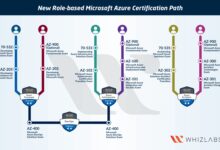
Whether you’re an IT veteran or just starting out, Azure certifications offer structured learning paths that align with real-world job roles. From foundational knowledge to expert-level architecture design, there’s a certification tailored to every stage of your journey. The best part? These certifications are role-based, meaning they’re designed to reflect the actual responsibilities of cloud administrators, developers, security engineers, and data professionals.
Why Azure Certifications Matter in 2024
In today’s hyper-competitive tech landscape, standing out is non-negotiable. Azure certifications provide third-party validation of your skills, making you more attractive to employers. According to Microsoft, individuals with Azure certifications report a 20-30% increase in earning potential. Moreover, certified professionals are often prioritized for promotions and leadership roles within IT departments.
Companies are actively seeking Azure-certified talent to manage migration projects, secure cloud environments, and optimize costs. With digital transformation accelerating across industries, the need for certified cloud experts isn’t slowing down—it’s exploding.
- Azure powers 70% of enterprise cloud workloads.
- Certified professionals earn up to $130,000 annually on average.
- Over 1.5 million Azure certifications have been earned globally.
The Role-Based Certification Model Explained
Gone are the days of generic IT certifications. Microsoft has shifted to a role-based model, ensuring each Azure certification aligns with specific job functions. This approach makes learning more relevant and practical. Instead of memorizing abstract concepts, you focus on skills directly applicable to your desired role.
The main role categories include:
- Azure Administrator
- Azure Developer
- Azure Security Engineer
- Azure Data Scientist
- Azure AI Engineer
- Azure Solutions Architect
- Azure DevOps Engineer
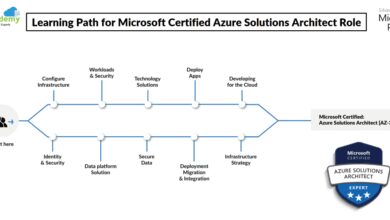
This structure allows you to build a clear career roadmap. For example, starting with the AZ-900 (Azure Fundamentals) and progressing to AZ-104 (Azure Administrator Associate) sets you on a path to becoming a cloud operations expert.
“Certifications are not just about passing exams—they’re about proving you can solve real business problems in the cloud.” — Microsoft Learning Team
Top 7 Azure Certifications You Should Pursue in 2024
The Azure certification ecosystem is vast, but not all certs are created equal. Some offer better ROI, job opportunities, and long-term career growth. Below is a curated list of the seven most impactful azure certifications you should consider in 2024.
AZ-900: Microsoft Azure Fundamentals
This is the entry point for anyone new to cloud computing. The AZ-900 exam validates foundational knowledge of cloud concepts, Azure services, pricing, and support. It’s perfect for non-technical stakeholders, sales teams, or IT newcomers who want to understand how Azure works at a high level.
Key topics include:
- Cloud computing basics (IaaS, PaaS, SaaS)
- Core Azure services like Virtual Machines, Blob Storage, and App Services
- Security, privacy, compliance, and trust in Azure
- Pricing models, SLAs, and cost management tools
No prior experience is required, making it one of the most accessible azure certifications. Passing this exam earns you the Microsoft Certified: Azure Fundamentals credential, a solid foundation for further specialization.
Learn more about the exam structure at the official Microsoft Learn page.
AZ-104: Microsoft Azure Administrator Associate
If you’re aiming to become a cloud administrator, AZ-104 is your next step. This certification targets professionals who manage cloud resources, configure virtual networks, and implement security controls. It’s one of the most popular azure certifications due to its direct alignment with real-world administrative tasks.
The exam covers five core domains:
- Manage Azure identities and governance (15-20%)
- Implement and manage storage (15-20%)
- Deploy and manage Azure compute resources (20-25%)
- Configure and manage virtual networking (20-25%)
- Monitor and back up Azure resources (10-15%)
Candidates should have at least six months of hands-on experience with Azure. Practical skills like using Azure CLI, PowerShell, and the Azure portal are essential. Many employers list AZ-104 as a prerequisite for cloud admin roles, making it a must-have credential.
For detailed preparation, visit the Azure Administrator certification page.
AZ-204: Developing Solutions for Microsoft Azure
Tailored for software developers, AZ-204 validates your ability to build and deploy cloud applications using Azure services. This certification is ideal if you work with APIs, serverless functions, containers, and data storage solutions.
Key skills tested include:
- Developing Azure compute solutions (Functions, App Services, VMs)
- Implementing Azure security (managed identities, Key Vault)
- Connecting to and consuming Azure services and third-party services
- Monitoring, troubleshooting, and optimizing Azure solutions
- Integrating Azure storage (Blob, Cosmos DB, Table storage)
To succeed, you should be proficient in at least one programming language (C#, Python, or Node.js) and familiar with REST APIs and SDKs. This certification opens doors to roles like Cloud Developer, Full-Stack Engineer, or DevOps Specialist.
Explore the curriculum at Microsoft’s Azure Developer certification hub.
AZ-500: Microsoft Azure Security Engineer Associate
With cyber threats on the rise, cloud security is more critical than ever. The AZ-500 certification is designed for professionals responsible for securing cloud environments, managing identity and access, and protecting data.
azure certifications – Azure certifications menjadi aspek penting yang dibahas di sini.
This exam dives deep into:
- Managing identity and access (Azure AD, Conditional Access, MFA)
- Implementing platform protection (network security groups, firewalls, DDoS protection)
- Securing data and applications (encryption, Key Vault, secure score)
- Monitoring security with Microsoft Defender for Cloud
- Ensuring compliance with regulatory standards (GDPR, HIPAA, ISO)
Candidates should have strong networking and security fundamentals, along with prior experience in Azure administration. This is one of the most challenging azure certifications, but also one of the most rewarding—security engineers command some of the highest salaries in IT.
For exam objectives, check the Azure Security Engineer official guide.
AZ-305: Designing Microsoft Azure Infrastructure Solutions
For architects and senior engineers, AZ-305 is the gateway to expert-level recognition. This certification focuses on designing scalable, secure, and resilient cloud architectures. It’s part of the Azure Solutions Architect Expert track, which also requires passing AZ-104.
Key design areas include:
- Designing identity, governance, and monitoring solutions
- Designing data storage solutions (SQL, NoSQL, data lakes)
- Designing business continuity (backup, disaster recovery, high availability)
- Designing infrastructure (compute, networking, hybrid connectivity)
- Optimizing cost and performance
This is not an entry-level exam. You’ll need deep technical knowledge and real-world experience designing enterprise-grade solutions. Many cloud architects use this certification to transition into consulting or leadership roles.
Review the exam details at Microsoft’s Solutions Architect page.
AZ-400: Designing and Implementing Microsoft DevOps Solutions
In the era of continuous integration and delivery, DevOps skills are in high demand. The AZ-400 certification validates your ability to plan agile workflows, manage source control, automate builds and deployments, and implement monitoring.
Core competencies include:
- Designing and implementing source control (Git, Azure Repos)
- Configuring build and release pipelines (Azure Pipelines)
- Implementing compliance and security in DevOps
- Managing teams and collaboration with Azure Boards
- Integrating testing and feedback loops
This certification is ideal for developers, release managers, and IT operations staff looking to bridge the gap between development and operations. It’s also a prerequisite for becoming a Microsoft Certified DevOps Engineer Expert.
Get started with the DevOps Engineer certification path.
AZ-700: Designing and Implementing Microsoft Azure Networking Solutions
Networking remains the backbone of any cloud environment. The AZ-700 certification is tailored for network engineers who want to specialize in Azure’s networking capabilities. It covers advanced topics like hybrid connectivity, network security, and traffic management.
Major topics include:
- Designing and implementing hybrid networking (ExpressRoute, VPN Gateway)
- Configuring and managing virtual networks (VNets, subnets, peering)
- Implementing load balancing and traffic routing (Application Gateway, Traffic Manager)
- Securing network communications (NSGs, Azure Firewall, DDoS protection)
- Monitoring and troubleshooting network performance
This is a niche but highly valuable certification, especially for organizations running hybrid cloud environments. As more companies adopt multi-cloud and edge computing strategies, skilled Azure network engineers are in short supply.
Learn more at Microsoft’s Azure Network Engineer page.
How to Choose the Right Azure Certification Path
With so many azure certifications available, choosing the right one can feel overwhelming. The key is to align your certification goals with your career aspirations, current skill level, and industry demand.
Assess Your Current Skill Level
Start by evaluating your existing knowledge and experience. Are you completely new to cloud computing? Then AZ-900 is your logical first step. Do you already manage on-premises servers or virtual machines? You might be ready for AZ-104. If you’re a developer, AZ-204 will feel more relevant than administrative exams.
Take free practice assessments on Microsoft Learn to gauge your readiness. These quizzes help identify knowledge gaps and guide your study plan.
Align with Your Career Goals
Ask yourself: Where do you want to be in 2-3 years? If you aspire to be a cloud architect, start building toward AZ-305. If security excites you, aim for AZ-500. Each certification opens different doors:
- AZ-104 → Cloud Administrator, Systems Engineer
- AZ-204 → Cloud Developer, Application Engineer
- AZ-500 → Security Analyst, Cloud Security Engineer
- AZ-305 → Solutions Architect, Technical Consultant
- AZ-400 → DevOps Engineer, Release Manager
- AZ-700 → Network Engineer, Cloud Connectivity Specialist
Research job postings on LinkedIn or Glassdoor to see which azure certifications are most frequently requested in your target role.
Consider Industry Demand and Salary Trends
Some certifications offer better return on investment than others. According to Indeed salary data, Azure Solutions Architects earn an average of $145,000 per year, while Azure Developers make around $120,000. Security and DevOps roles also command premium salaries.
Additionally, certain industries—like finance, healthcare, and government—are rapidly adopting Azure and prioritizing compliance and security certifications. If you’re targeting these sectors, AZ-500 and AZ-305 become even more valuable.
azure certifications – Azure certifications menjadi aspek penting yang dibahas di sini.
“The most successful professionals don’t just earn certs—they strategically stack them to build authority in their niche.” — Cloud Career Coach
Step-by-Step Guide to Preparing for Azure Certification Exams
Earning azure certifications isn’t just about memorizing facts—it’s about mastering practical skills. Follow this proven roadmap to maximize your chances of success.
Step 1: Review Official Exam Objectives
Every Azure certification has a detailed exam outline published by Microsoft. These documents list the skills measured, weightage of each domain, and recommended study resources. Download the exam guide from the certification page and use it as your syllabus.
For example, the AZ-104 exam guide breaks down topics like:
- Manage Azure identities and governance (15-20%)
- Implement and manage storage (15-20%)
- Deploy and manage Azure compute resources (20-25%)
Use this to prioritize your study time based on domain weight.
Step 2: Leverage Microsoft Learn Paths
Microsoft Learn offers free, interactive training modules for every azure certification. These are self-paced, hands-on tutorials that include quizzes and labs. They’re developed by Microsoft experts and closely mirror exam content.
For AZ-900, complete the Azure Fundamentals learning path. For AZ-500, follow the Secure Azure Resources path. Each module takes 10-30 minutes and builds knowledge incrementally.
Pro tip: Earn gamified badges and points as you progress—motivation built right in.
Step 3: Get Hands-On with Azure Labs
No amount of reading can replace real experience. Sign up for a free Azure account (includes $200 credit and 12 months of free services) and start building. Create virtual machines, set up storage accounts, configure networks, and deploy apps.
Practice tasks like:
- Setting up a virtual network with subnets and NSGs
- Deploying a web app using Azure App Service
- Configuring backup and restore for a VM
- Implementing multi-factor authentication in Azure AD
Hands-on practice not only reinforces learning but also builds confidence for scenario-based exam questions.
Step 4: Use Practice Exams and Study Groups
Third-party platforms like Whizlabs, MeasureUp, and Udemy offer high-quality practice tests. These simulate the real exam environment and help you identify weak areas. Aim to score 80%+ consistently before scheduling your exam.
Join online communities such as:
- r/Azure on Reddit
- Azure Certifications Discord servers
- Microsoft Tech Community forums
These spaces allow you to ask questions, share tips, and stay motivated.
Benefits of Earning Azure Certifications
The value of azure certifications extends far beyond a digital badge. They deliver tangible career and financial benefits that compound over time.
Career Advancement and Job Opportunities
Certified professionals are more likely to land interviews, secure promotions, and transition into higher-paying roles. Many companies now require or prefer Azure-certified staff for cloud projects. Job boards like LinkedIn and Dice show thousands of openings with keywords like “Azure certified” or “AZ-104 required.”
Additionally, certifications demonstrate initiative and commitment—qualities employers value highly.
Increased Earning Potential
According to the Microsoft Certification Report, certified individuals report salary increases of 20-30%. Entry-level roles like Cloud Support Associate start at $70K, while senior architects can earn over $150K.
Some organizations even offer certification bonuses—$1,000–$5,000 for passing expert-level exams.
Global Recognition and Credibility
Microsoft is a household name in enterprise IT. An Azure certification carries weight across industries and geographies. Whether you’re in New York, London, or Singapore, employers recognize the rigor behind these credentials.
Plus, your certification appears on a verifiable digital transcript, which you can share on LinkedIn or with hiring managers.
“In a sea of resumes, a certification is the lighthouse that gets you noticed.” — HR Tech Recruiter
Common Challenges and How to Overcome Them
While azure certifications offer immense rewards, the journey isn’t always smooth. Many candidates face obstacles that can derail progress if not addressed early.
Information Overload and Scope Creep
The breadth of Azure services can be overwhelming. With over 200+ services, it’s easy to get lost in the details. The solution? Stick to the exam objectives. Focus only on what’s measured in the test. Ignore tangential services unless they’re directly mentioned.
azure certifications – Azure certifications menjadi aspek penting yang dibahas di sini.
Use mind maps or flashcards to organize key concepts by domain.
Lack of Hands-On Experience
Many learners struggle because they rely solely on videos and books. Azure exams are practical—they test what you can *do*, not just what you know. If you lack access to a real environment, use Azure Sandbox labs on Microsoft Learn, which provide temporary, no-cost access to Azure resources.
Alternatively, use Docker and local emulators for storage and functions.
Exam Anxiety and Time Management
Scenario-based questions and time pressure can cause stress. Practice under exam conditions: use a timer, avoid distractions, and take full-length mock exams. Learn to eliminate wrong answers quickly and flag difficult questions for review.
Most Azure exams are 120 minutes long with 40-60 questions. That’s roughly 2 minutes per question—pace yourself.
Future-Proofing Your Career with Azure Certifications
The cloud isn’t a trend—it’s the foundation of modern IT. As artificial intelligence, IoT, and edge computing evolve, Azure continues to expand its capabilities. By earning azure certifications now, you’re not just preparing for today’s jobs—you’re future-proofing your career.
Staying Ahead of Technological Shifts
Microsoft invests billions annually in Azure innovation. New services like Azure AI, Azure Arc, and Azure Quantum are reshaping what’s possible. Certified professionals get early access to training and updates, keeping them ahead of the curve.
For example, Azure OpenAI Service integration is now a key topic in developer and architect exams.
Building a Continuous Learning Mindset
Technology changes fast. Certifications expire after one year (as of 2021), requiring renewal through online assessments. This ensures your knowledge stays current and encourages lifelong learning—a trait of top performers.
Use renewal periods to explore adjacent skills like AI, data engineering, or cybersecurity.
Expanding Beyond Certifications: Building a Personal Brand
Once certified, don’t stop there. Share your journey on LinkedIn, write blog posts, or create YouTube tutorials. Many professionals turn their certification success into consulting gigs, training roles, or even job offers.
Employers don’t just want certified people—they want passionate, visible experts.
What are the prerequisites for Azure expert-level certifications?
Most expert-level azure certifications, such as Azure Solutions Architect Expert (AZ-305), require you to first pass an associate-level exam. For example, AZ-305 requires AZ-104 (Azure Administrator) as a prerequisite. Similarly, the DevOps Engineer Expert (AZ-400) often pairs with AZ-204. Always check the official Microsoft certification page for the most accurate and updated requirements.
How long does it take to prepare for an Azure certification?
Preparation time varies by certification and experience level. For AZ-900, beginners typically need 20-30 hours of study. AZ-104 and AZ-204 require 60-80 hours, especially if you’re gaining hands-on experience. Expert exams like AZ-305 may take 100+ hours. Microsoft recommends 6-12 months of practical Azure experience before attempting associate and expert exams.
Are Azure certifications worth it in 2024?
Absolutely. Azure certifications remain highly valuable in 2024. With cloud adoption accelerating and Microsoft’s strong enterprise presence, certified professionals are in high demand. They lead to better job opportunities, higher salaries, and greater professional credibility. Employers actively seek certified talent for migration, security, and optimization projects.
Can I take Azure exams online?
Yes, most Azure certification exams can be taken online via Pearson VUE’s remote proctoring service. You’ll need a quiet room, a reliable internet connection, and a webcam. Some exams may require system checks beforehand. Visit the Pearson VUE Microsoft page to schedule your exam.
How much do Azure certification exams cost?
Most Azure certification exams cost $165 USD. Some foundational exams like AZ-900 may be discounted or free during promotional events. Microsoft Learn offers free training, but exam vouchers are typically paid. Consider bundled packages or employer reimbursement programs to reduce costs.
azure certifications – Azure certifications menjadi aspek penting yang dibahas di sini.
Investing in azure certifications is one of the smartest career moves you can make in the tech industry. From foundational knowledge to expert architecture, these credentials open doors, boost credibility, and future-proof your skills in an ever-evolving cloud landscape. Whether you’re just starting or aiming for the top, there’s a certification path waiting for you. Start today, stay consistent, and watch your career soar.
Further Reading: