Accessing the Azure login portal is your first step into a world of cloud power, flexibility, and enterprise-grade security. Whether you’re an IT admin, developer, or business user, knowing how to navigate this gateway efficiently can save time and boost productivity. Let’s break down everything you need to know.




Understanding the Azure Login Portal

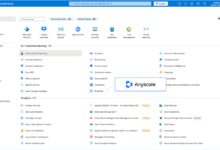
The Azure login portal, officially known as the Azure portal, is Microsoft’s web-based interface for managing cloud services, resources, and subscriptions. It serves as the central hub where users authenticate and gain access to their Azure environments. This platform supports a wide range of functionalities—from deploying virtual machines to monitoring applications and managing identity access.
What Is the Azure Login Portal?
The Azure login portal is more than just a sign-in page; it’s the entry point to Microsoft Azure’s vast ecosystem. When you visit portal.azure.com, you’re directed to a secure authentication interface where you enter your credentials—typically an email linked to a Microsoft account or an organizational (Azure AD) account.
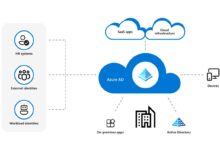
- It integrates with Azure Active Directory (Azure AD) for identity management.
- It supports multi-factor authentication (MFA) for enhanced security.
- It provides role-based access control (RBAC) to manage user permissions.
This portal is designed for both technical and non-technical users, offering dashboards, resource groups, and guided workflows to simplify cloud operations.
How It Differs From Other Microsoft Logins
Many users confuse the Azure login portal with other Microsoft services like Office 365 or Outlook.com. While they all use similar authentication systems, the Azure portal is specifically tailored for cloud infrastructure and development tasks.
- Office 365 login focuses on productivity apps (Word, Teams, etc.), whereas Azure login grants access to compute, storage, and networking resources.
- The Azure portal requires specific subscription access, unlike consumer-facing Microsoft accounts.
- Administrative roles in Azure (like Global Admin or Contributor) have deeper system-level permissions compared to standard Office 365 roles.
“The Azure portal is not just a dashboard—it’s a command center for your entire cloud journey.” — Microsoft Cloud Documentation
Step-by-Step Guide to Accessing the Azure Login Portal
Getting into the Azure login portal is straightforward, but understanding each step ensures smooth access and reduces login errors. Follow this detailed walkthrough to sign in successfully.
Navigate to the Official Portal URL
The first step is visiting the correct website: https://portal.azure.com. Always ensure you’re on this official domain to avoid phishing scams.
- Avoid third-party links or search engine ads claiming to be the Azure login page.
- Bookmark the site for future use to prevent accidental redirects.
- Use HTTPS—check for the padlock icon in your browser’s address bar.
Microsoft also offers alternative URLs like https://azure.microsoft.com, but these typically redirect to informational pages rather than the direct login interface.
Enter Your Credentials Correctly
Once on the login page, input your username (email address) associated with your Azure subscription or organizational account.
- If using a personal Microsoft account (e.g., @outlook.com), ensure it has been granted access to an Azure subscription.
- For work or school accounts, use the email provided by your organization (e.g., user@company.com).
- Double-check for typos—capitalization doesn’t matter, but spelling does.
After entering the email, click ‘Next’ and proceed to password entry. If you’ve signed in before, the system may auto-fill your account.
Complete Authentication with MFA (If Enabled)
Multi-factor authentication (MFA) is a critical security layer. After entering your password, you may be prompted for a second verification method.
- Options include Microsoft Authenticator app notifications, SMS codes, phone calls, or hardware tokens.
- Organizations often enforce MFA via Conditional Access policies in Azure AD.
- Users without MFA setup may be prompted during first login if policy requires it.
Failing MFA verification will block access, even with the correct password, emphasizing its importance in protecting sensitive cloud environments.
Common Issues When Using the Azure Login Portal
Despite its reliability, users often encounter issues when trying to log in to the Azure portal. Recognizing and resolving these problems quickly minimizes downtime and frustration.
Forgot Password or Locked Account
One of the most frequent issues is forgetting your password or getting locked out due to multiple failed attempts.
- Use the ‘Forgot password?’ link on the login screen to initiate a reset.
- If using a work/school account, the reset process is managed by your organization’s IT department.
- Personal Microsoft accounts allow self-service password recovery via email or phone.
Lockout policies vary—some organizations implement automatic unlock after 30 minutes, while others require admin intervention.
Incorrect Tenant or Subscription Access
Sometimes, users can log in but don’t see their expected resources. This usually happens due to incorrect tenant selection.
- Azure supports multiple tenants (directories). You might be logging into the wrong one.
- Use the profile icon at the top-right to switch directories if you have access to more than one.
- Contact your Azure administrator to confirm which tenant your subscription belongs to.
This issue is common in enterprises with multiple Azure AD tenants for different departments or regions.
Browser Compatibility and Cache Problems
Not all browsers behave the same when accessing the Azure login portal. Outdated or misconfigured browsers can cause login failures.
- Supported browsers include Microsoft Edge, Google Chrome, Firefox, and Safari (latest versions).
- Clear cookies and cache if the page loads incorrectly or gets stuck in a login loop.
- Disable ad blockers or privacy extensions temporarily—they can interfere with Azure AD scripts.
Microsoft provides a list of supported browsers and troubleshooting tips for compatibility issues.
Security Best Practices for the Azure Login Portal
Securing access to the Azure login portal is paramount. A compromised account can lead to data breaches, unauthorized resource deployment, or financial loss due to cloud billing abuse.
Enable Multi-Factor Authentication (MFA)
MFA is the single most effective way to protect your Azure account.
- It adds a second layer of verification beyond just a password.
- Even if credentials are stolen, attackers cannot access the account without the second factor.
- Administrators should enforce MFA through Azure AD Conditional Access policies.
Microsoft reports that MFA blocks over 99.9% of account compromise attacks, making it non-negotiable for secure cloud operations.
Use Conditional Access Policies
Conditional Access (CA) allows organizations to define rules that control how and when users can access the Azure portal.
- Examples include blocking access from untrusted locations or requiring compliant devices.
- You can enforce MFA based on risk level, device state, or application sensitivity.
- Policies are configured in the Azure AD portal under ‘Security’ > ‘Conditional Access’.
These policies help implement zero-trust security models, ensuring that access is granted only under safe conditions.
Monitor Sign-In Logs and Alerts
Azure AD provides detailed sign-in logs that help detect suspicious activity.
- Go to Azure AD > Monitoring > Sign-in logs to review login attempts.
- Filter by user, app, status (success/failure), or IP address.
- Set up alerts for unusual sign-ins, such as from new countries or at odd hours.
Regular monitoring helps identify potential breaches early and supports compliance audits.
Managing Multiple Accounts and Tenants via the Azure Login Portal
Many professionals work across multiple Azure subscriptions or organizational tenants. Understanding how to manage these efficiently is crucial for productivity.
Switching Between Directories (Tenants)
If you have access to more than one Azure AD directory, you can switch between them without logging out.
- Click your profile icon in the top-right corner of the Azure portal.
- Select ‘Switch directory’ and choose the desired tenant from the list.
- The portal reloads with resources specific to that directory.
This feature is especially useful for consultants or IT staff managing clients or subsidiaries.
Using Guest Accounts and B2B Collaboration
Azure supports cross-organization collaboration through Azure AD B2B (Business-to-Business).
- External users can be invited as guest accounts and granted limited access.
- They log in using their own organizational credentials, not a new Azure password.
- Guests appear in the directory with a ‘Guest’ label and can be managed like regular users.
This enables secure collaboration without sharing sensitive login details.
Managing Subscriptions and Resource Access
Within a single tenant, users may have access to multiple subscriptions.
- Use the ‘Subscriptions’ filter in the portal to toggle between them.
- RBAC roles determine what actions a user can perform in each subscription.
- Administrators can assign roles like Reader, Contributor, or Owner at the subscription level.
Proper subscription management prevents accidental changes and ensures cost accountability.
Advanced Features of the Azure Login Portal
Beyond basic login and navigation, the Azure portal offers advanced tools that enhance user experience and administrative control.
Custom Dashboards and Favorites
Users can personalize their Azure portal experience with custom dashboards.
- Create a dashboard by clicking ‘Dashboard’ > ‘New dashboard’.
- Add tiles for frequently used resources like VMs, databases, or monitoring tools.
- Mark resources as favorites for quick access in the left-hand menu.
This customization reduces navigation time and improves workflow efficiency.
Cloud Shell Integration
The Azure portal includes an embedded command-line interface called Azure Cloud Shell.
- Access it by clicking the >_ icon in the top toolbar.
- Choose between Bash or PowerShell environments.
- Cloud Shell is browser-based, persistent, and comes with pre-installed CLI tools.
It allows administrators to run scripts, manage resources, and automate tasks without installing local tools.
Accessibility and Mobile Access
The Azure portal is designed to be accessible across devices and assistive technologies.
- Responsive design works on tablets and large-screen mobile devices.
- Screen reader support follows WCAG 2.1 standards.
- While there’s no dedicated mobile app for full portal access, key functions are available via the Microsoft Azure app on iOS and Android.
Mobile access allows monitoring alerts and basic management on the go.
Alternatives and Integrations with the Azure Login Portal
While the web portal is the primary interface, Azure supports several alternative access methods and integrations for diverse use cases.
Azure CLI and PowerShell
For automation and scripting, developers and admins often use Azure CLI or Azure PowerShell.
- Both require authentication via the Azure login portal during setup (using ‘az login’ or ‘Connect-AzAccount’).
- They allow headless operations, ideal for CI/CD pipelines and infrastructure-as-code (IaC).
- Authentication tokens are cached securely after initial portal-based login.
These tools extend the reach of the Azure login portal into automated workflows.
Single Sign-On (SSO) and Identity Providers
Organizations can integrate third-party identity providers (IdPs) with Azure AD for SSO.
- SAML or OAuth-based IdPs like Okta, PingIdentity, or ADFS can replace traditional login screens.
- Users authenticate through their corporate SSO portal and are seamlessly redirected to Azure.
- This centralizes identity management and improves user experience.
SSO reduces password fatigue and strengthens security through centralized identity governance.
API Access and Service Principals
Applications and services can access Azure resources programmatically using service principals.
- A service principal is like a user account for an app, created in Azure AD.
- It authenticates via client ID and secret (or certificate) instead of interactive login.
- Used in DevOps tools, monitoring systems, and backend services.
This method decouples application access from human users, enabling scalable and secure automation.
What is the URL for the Azure login portal?
The official URL for the Azure login portal is https://portal.azure.com. Always verify the domain to avoid phishing sites.
How do I reset my Azure portal password?
If using a personal Microsoft account, click ‘Forgot password?’ on the login screen. For work/school accounts, contact your organization’s IT administrator, as password resets are typically managed internally.
Why can’t I see my subscription after logging in?
This may happen if you’re in the wrong Azure AD tenant. Click your profile icon and select ‘Switch directory’ to choose the correct one. Also, confirm your account has RBAC permissions to view the subscription.
Is multi-factor authentication required for Azure login?
MFA is not mandatory by default but is highly recommended. Organizations often enforce it via Conditional Access policies to enhance security.
Can I access Azure from a mobile device?
Yes, the Azure portal is accessible via mobile browsers, and the Microsoft Azure app (iOS/Android) allows monitoring alerts and managing resources on the go.
Navigating the Azure login portal is a fundamental skill for anyone working with Microsoft’s cloud platform. From initial access to advanced management, understanding its features, security practices, and troubleshooting methods ensures efficient and secure operations. Whether you’re a beginner or an experienced admin, mastering this gateway unlocks the full potential of Azure’s powerful ecosystem. By following best practices like enabling MFA, using Conditional Access, and personalizing your dashboard, you can optimize both security and productivity. As cloud environments grow more complex, the Azure portal remains the central hub for control, visibility, and innovation.
azure login portal – Azure login portal menjadi aspek penting yang dibahas di sini.
Recommended for you 👇
Further Reading: