Logging into the Azure portal is the first step to managing your cloud resources, but doing it efficiently and securely matters more than you think. Whether you’re a beginner or a seasoned admin, mastering the Azure portal log in process can save time, reduce errors, and boost productivity.




Understanding the Azure Portal Log In Process

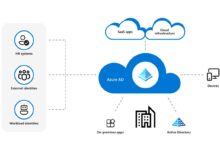
The Azure portal is Microsoft’s web-based interface for managing cloud services, virtual machines, databases, networking, and more. To access it, users must perform an azure portal log in using valid credentials tied to a Microsoft Entra ID (formerly Azure Active Directory). This process is both the gateway and the foundation of secure cloud administration.
What Is the Azure Portal?
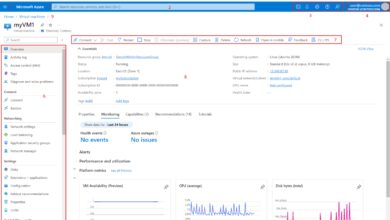
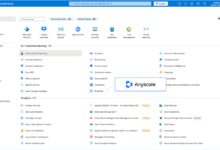
The Azure portal is a unified console that allows users to deploy, configure, monitor, and manage all Azure services from a single dashboard. It’s designed for developers, IT professionals, and business decision-makers who need real-time visibility into their cloud environments.
- Web-based interface accessible from any modern browser
- Central hub for managing virtual machines, storage, networking, and security
- Supports role-based access control (RBAC) for team collaboration
Why Secure Azure Portal Log In Is Critical
Because the Azure portal gives full access to mission-critical infrastructure, unauthorized access can lead to data breaches, service outages, or financial loss. A compromised azure portal log in can expose sensitive data, allow malicious deployments, or even lead to cryptojacking.
“Over 95% of cloud breaches involve compromised credentials.” — Microsoft Digital Defense Report 2023
That’s why securing your login process isn’t optional—it’s essential.
Step-by-Step Guide to Azure Portal Log In
Performing an azure portal log in correctly ensures you’re accessing the right environment with the right permissions. Follow these steps for a smooth and secure experience.
Step 1: Navigate to the Official Azure Portal
Always start by visiting the official Microsoft Azure portal at portal.azure.com. Avoid third-party links or bookmarks that could lead to phishing sites.
- Use HTTPS to ensure encrypted communication
- Check the URL carefully: it should be exactly portal.azure.com
- Bookmark the site for future use
Step 2: Enter Your Credentials
On the login page, enter your work or school account email address (e.g., user@company.com). Personal Microsoft accounts (like Outlook.com) can also be used if they have Azure access, but enterprise environments typically use organizational accounts.
- Ensure your keyboard’s Caps Lock is off
- Double-check your email spelling
- Use an email associated with an Azure subscription
Step 3: Complete Multi-Factor Authentication (MFA)
After entering your password, you’ll likely be prompted for multi-factor authentication. This could include:
- Approving a notification via the Microsoft Authenticator app
- Entering a code from an authenticator app or SMS
- Using a security key (FIDO2)
MFA significantly reduces the risk of unauthorized access, even if your password is compromised.
Common Azure Portal Log In Issues and Fixes
Even experienced users face login problems. Understanding common issues helps you troubleshoot quickly and maintain productivity.
Issue 1: ‘User Not Found’ or ‘Account Doesn’t Exist’
This error usually means the email isn’t registered in the correct directory or tenant. Double-check:
- Whether you’re using the correct organizational email
- If your account has been invited to the Azure AD tenant
- If you’re logging into the right portal (e.g., public vs. government cloud)
Visit Microsoft’s sign-in troubleshooting guide for detailed diagnostics.
Issue 2: Password Reset Required but No Email Received
If you’re prompted to reset your password but don’t receive the email:
- Check your spam or junk folder
- Verify your email contact info in Azure AD
- Ask your administrator to force a password reset
Administrators can use the Azure portal or Microsoft 365 admin center to reset passwords manually.
Issue 3: MFA Prompt Loops or Fails
Multi-factor authentication loops can occur due to:
- Outdated browser cache or cookies
- Incorrect time settings on your device (affects TOTP codes)
- Blocked or misconfigured conditional access policies
Clear your browser cache or try logging in from an InPrivate/Incognito window. If the issue persists, contact your IT admin to review MFA registration status.
Best Practices for Secure Azure Portal Log In
Security starts with the login. Implementing best practices ensures your azure portal log in isn’t the weakest link in your cloud security chain.
Enable Multi-Factor Authentication (MFA)
MFA is one of the most effective ways to prevent unauthorized access. Even if a password is stolen, attackers can’t log in without the second factor.
- Use the Microsoft Authenticator app for push notifications
- Set up backup methods like SMS or phone calls
- Consider passwordless options like FIDO2 security keys
Learn more at Microsoft’s MFA documentation.
Use Conditional Access Policies
Conditional Access (CA) allows organizations to enforce rules based on user location, device compliance, risk level, and more. For example:
- Block logins from high-risk countries
- Require compliant devices for admin access
- Enforce MFA for sensitive operations
These policies are configured in the Microsoft Entra admin center and apply to every azure portal log in.
Regularly Review Sign-In Logs
Azure Active Directory provides detailed sign-in logs that show who logged in, when, from where, and whether MFA was used.
- Navigate to Azure AD > Monitoring > Sign-in logs
- Filter by user, app, status, or IP address
- Set up alerts for suspicious activities
Regular audits help detect anomalies early.
Using Single Sign-On (SSO) for Azure Portal Access
For enterprises, managing multiple passwords is inefficient. Single Sign-On (SSO) streamlines the azure portal log in process by allowing users to authenticate once and access multiple applications.
How SSO Works with Azure AD
Azure AD acts as an identity provider (IdP), integrating with thousands of SaaS apps. When SSO is enabled:
- Users log in once to their corporate network or identity system
- They can access Azure, Office 365, Salesforce, and other apps without re-entering credentials
- Sessions are maintained securely using tokens
This reduces password fatigue and improves security posture.
Setting Up SSO for Your Organization
Admins can configure SSO via:
- Azure AD App Registrations for custom apps
- Pre-integrated apps in the Azure Marketplace
- Third-party identity providers like Okta or Ping Identity
Steps include:
- Registering the application in Azure AD
- Configuring SAML or OAuth 2.0 settings
- Assigning users or groups
More details at Microsoft’s SSO guide.
Role-Based Access Control After Azure Portal Log In
Once you’ve completed the azure portal log in, your access level is determined by Role-Based Access Control (RBAC). This ensures users only see and do what they’re authorized to.
Understanding Built-in Roles
Azure provides several predefined roles:
- Owner: Full access, including permission management
- Contributor: Can create and manage resources but not assign roles
- Reader: View-only access to resources
- Virtual Machine Contributor: Manage VMs only
These roles can be assigned at the subscription, resource group, or individual resource level.
Creating Custom Roles
For granular control, admins can create custom roles using JSON definitions. For example, a role might allow starting/stopping VMs but not deleting them.
- Define permissions using Azure’s operation list
- Scope the role to specific resources
- Test in a non-production environment first
Custom roles offer flexibility without over-privileging users.
Advanced Tips for Faster and Smarter Azure Portal Log In
Speed and efficiency matter—especially when managing complex environments. These advanced tips optimize your azure portal log in and post-login experience.
Use Azure CLI or PowerShell for Automation
While the portal is great for GUI-based tasks, automation tools like Azure CLI and PowerShell allow faster access and scripting.
- Log in via command line:
az loginorConnect-AzAccount - Use service principals for unattended scripts
- Store credentials securely using Azure Key Vault
This reduces reliance on manual azure portal log in for routine tasks.
Customize Your Dashboard for Quick Access
After logging in, personalize your dashboard with:
- Frequently used resource groups
- Key performance metrics (CPU, memory, network)
- Quick links to monitoring tools like Azure Monitor
A tailored dashboard reduces navigation time and improves situational awareness.
Enable Azure Cloud Shell
Azure Cloud Shell is a browser-based shell accessible directly from the portal. Once you’ve completed your azure portal log in, click the Cloud Shell icon to launch a terminal with pre-authenticated access.
- No need to install CLI tools locally
- Persistent storage via Azure File Share
- Supports Bash and PowerShell
It’s perfect for quick commands without leaving the browser.
Security Monitoring After Successful Azure Portal Log In
Logging in is just the beginning. Continuous monitoring ensures no malicious activity slips through.
Leverage Microsoft Entra ID Protection
Entra ID Protection detects risky sign-ins and user behavior. It uses AI to flag anomalies like:
- Sign-ins from anonymous IPs
- Impossible travel (logins from distant locations in short time)
- Leaked credentials found on dark web
Admins can configure automated responses, such as requiring password resets or blocking access.
Set Up Azure Monitor and Alerts
Azure Monitor tracks resource performance and security events. You can create alerts for:
- Unusual login times (e.g., 3 AM)
- Multiple failed login attempts
- New role assignments or policy changes
Integrate with Logic Apps or Microsoft Teams for real-time notifications.
Conduct Regular Access Reviews
Over time, users accumulate permissions they no longer need. Access reviews help clean up stale access.
- Schedule quarterly reviews for all roles
- Automate approval workflows
- Remove inactive users promptly
This principle of least privilege minimizes attack surface.
What if I forget my Azure portal password?
If you forget your password, click “Forgot password?” on the login screen and follow the steps to reset it using your registered email or phone. If you’re using a work or school account, your administrator may need to reset it for you via the Microsoft 365 admin center or Azure portal.
Can I log in to Azure with a personal Microsoft account?
Yes, personal Microsoft accounts (like Outlook.com) can be used to log in to Azure, especially for free trials or individual subscriptions. However, in enterprise environments, organizational accounts managed through Azure AD are preferred for better security and control.
Why am I being asked to verify my identity every time I log in?
This may happen if your organization has enabled persistent cookies or session controls. Check your browser settings and ensure you’re selecting “Remember me” during MFA. If the issue persists, your admin may have configured conditional access policies requiring frequent reauthentication.
How do I switch between multiple Azure directories after logging in?
After azure portal log in, click your profile icon in the top-right corner, then select “Switch directory.” You’ll see a list of directories you have access to. Choose the one you want to work in.
Is there a mobile app for Azure portal log in?
While there’s no dedicated Azure portal app, you can access the portal via mobile browsers. For monitoring and management, consider the Microsoft Azure app (available on iOS and Android), which allows you to monitor resources, receive alerts, and perform basic actions.
Mastering the azure portal log in process is more than just entering a username and password—it’s about security, efficiency, and control. From understanding the basics to implementing MFA, SSO, and conditional access, every step shapes your cloud experience. By following best practices and leveraging Azure’s powerful tools, you can ensure secure, fast, and reliable access to your cloud resources. Whether you’re a developer, admin, or decision-maker, a well-managed login process is the foundation of a resilient cloud strategy.
Recommended for you 👇
Further Reading: