Ever wondered what lies behind the buzzword ‘Azure’? Let’s demystify Microsoft Azure and explore why it’s a game-changer in cloud computing—simply, clearly, and powerfully.

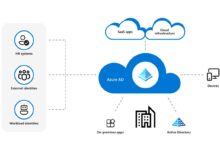



Azure What Is: The Ultimate Definition

When someone asks, ‘Azure what is?’, they’re often seeking more than a textbook definition. Microsoft Azure is a comprehensive cloud computing platform launched by Microsoft in 2010, offering over 200 services ranging from virtual machines and AI tools to data analytics and IoT solutions. It allows businesses to build, deploy, and manage applications across a global network of data centers.
Core Components of Azure
Azure isn’t just one service—it’s an ecosystem. At its heart are compute, storage, networking, and security. These foundational elements power everything from simple websites to complex enterprise systems. For example, Azure Virtual Machines provide scalable computing resources, while Azure Blob Storage handles massive unstructured data like videos and logs.
- Compute: Virtual Machines, Azure Functions, App Services
- Storage: Blob, Disk, Queue, and Table Storage
- Networking: Virtual Networks, Load Balancer, DNS
Each component integrates seamlessly, allowing developers and IT professionals to create robust, scalable solutions without managing physical hardware.
How Azure Compares to Traditional IT
Traditional IT infrastructure requires companies to buy, maintain, and upgrade servers, storage, and networking gear—a costly and time-consuming process. Azure shifts this model to a pay-as-you-go cloud service. Instead of investing in hardware upfront, organizations rent computing power and storage on demand.
“The cloud is not about replacing your data center; it’s about transforming how you deliver value.” — Scott Guthrie, Executive Vice President, Microsoft Cloud & AI
This shift reduces capital expenditure (CapEx), increases agility, and enables faster innovation. For instance, launching a new app can take weeks in a traditional setup but mere minutes on Azure.
Azure What Is and Why It Matters for Businesses
Understanding ‘Azure what is’ becomes critical when evaluating digital transformation strategies. Azure empowers businesses to scale operations, improve resilience, and accelerate time-to-market. From startups to Fortune 500 companies, organizations use Azure to innovate faster and stay competitive.
Scalability and Flexibility
One of Azure’s biggest advantages is its ability to scale resources up or down based on demand. During peak traffic—like Black Friday for e-commerce sites—Azure automatically allocates more servers. When traffic drops, it scales back, ensuring cost efficiency.
- Auto-scaling groups adjust capacity in real time
- Global regions allow low-latency access worldwide
- Hybrid models connect on-premises systems with the cloud
This flexibility means businesses don’t overpay for idle resources, making Azure ideal for dynamic workloads.
Cost Efficiency and Operational Simplicity
With Azure, companies pay only for what they use. This operational expenditure (OpEx) model contrasts sharply with traditional IT’s high upfront costs. Azure’s pricing calculator helps estimate monthly costs, while tools like Cost Management provide real-time spending insights.
Additionally, Azure automates routine tasks like patching, backups, and monitoring. This reduces the burden on IT teams, allowing them to focus on strategic initiatives rather than maintenance.
Azure What Is in the Real World: Industry Use Cases
The true power of ‘Azure what is’ emerges when we look at real-world applications. Across industries, Azure drives innovation, improves customer experiences, and enables data-driven decision-making.
Healthcare: Secure Data and AI Diagnostics
Hospitals and clinics use Azure to store electronic health records securely while complying with regulations like HIPAA. Azure AI tools help analyze medical images for early detection of diseases like cancer.
For example, the University of California, San Francisco (UCSF) uses Azure to accelerate medical research and improve patient care through predictive analytics. By processing vast datasets quickly, Azure enables faster diagnosis and treatment planning.
Retail: Personalization and Inventory Management
Retailers leverage Azure to personalize customer experiences using AI and machine learning. By analyzing shopping behavior, Azure-powered systems recommend products tailored to individual preferences.
- Walmart uses Azure for real-time inventory tracking
- ASOS employs Azure AI for visual search and trend forecasting
- Starbucks uses Azure to power its mobile app and loyalty program
These implementations not only boost sales but also enhance customer satisfaction and loyalty.
Azure What Is Behind the Technology: Key Services Explained
To fully grasp ‘azure what is’, it’s essential to explore its core services. These tools form the backbone of Azure’s functionality and cater to diverse technical needs.
azure what is – Azure what is menjadi aspek penting yang dibahas di sini.
Azure Virtual Machines (VMs)
Azure VMs allow users to run Windows or Linux environments in the cloud. They’re ideal for applications that require full control over the operating system, such as legacy enterprise software.
VMs can be scaled manually or automatically based on performance metrics. They integrate with other Azure services like Azure Backup and Azure Monitor for enhanced reliability and visibility.
Azure App Services
Azure App Services is a fully managed platform for building web and mobile apps. Developers can deploy code in minutes without worrying about infrastructure management.
Supporting languages like .NET, Java, Node.js, and Python, App Services enable rapid development and continuous integration. Features like staging slots allow safe testing before going live.
Azure Cognitive Services
This suite of AI tools enables developers to add intelligent features like speech recognition, language understanding, and image analysis to apps—without needing deep AI expertise.
“Azure Cognitive Services democratizes AI, making it accessible to every developer.” — Microsoft Developer Blog
For instance, a customer service chatbot can use Language Understanding (LUIS) to interpret user queries and respond intelligently.
Azure What Is and Security: Protecting Your Digital Assets
Security is a top concern for any organization moving to the cloud. So, when asking ‘azure what is’, it’s crucial to understand how Azure safeguards data and infrastructure.
Built-in Security Features
Azure offers a multi-layered security approach. This includes network firewalls, encryption at rest and in transit, identity management via Azure Active Directory (Azure AD), and threat detection with Microsoft Defender for Cloud.
- Azure AD provides single sign-on and multi-factor authentication
- Defender for Cloud monitors for vulnerabilities and suspicious activities
- Key Vault secures cryptographic keys and secrets
These tools help prevent unauthorized access, detect threats early, and ensure compliance with standards like GDPR, ISO 27001, and SOC 2.
Compliance and Data Residency
Azure operates in over 60 regions worldwide, allowing businesses to store data in specific geographic locations to meet legal and regulatory requirements.
Microsoft maintains one of the most comprehensive compliance portfolios in the industry, covering sectors like finance, healthcare, and government. This makes Azure a trusted choice for organizations with strict data governance needs.
Azure What Is for Developers: Tools and Ecosystem
Developers play a central role in leveraging Azure’s capabilities. The platform offers a rich set of tools and services designed to streamline coding, testing, and deployment.
Visual Studio and Visual Studio Code Integration
Microsoft’s development environments integrate seamlessly with Azure. Visual Studio allows developers to debug cloud applications locally, while Visual Studio Code supports extensions for Azure Functions, Kubernetes, and more.
With Azure DevOps, teams can manage the entire software lifecycle—from planning and coding to testing and deployment—using a unified platform.
Serverless Computing with Azure Functions
Azure Functions enables event-driven, serverless computing. Developers write small pieces of code (functions) that run in response to triggers like HTTP requests, database changes, or file uploads.
- No need to manage servers or worry about scaling
- Pay only when the function runs (per execution)
- Integrates with Logic Apps and Event Grid for workflows
This model is perfect for microservices architectures and automating repetitive tasks.
Azure What Is and the Future: Trends and Innovations
As technology evolves, so does Azure. Understanding ‘azure what is’ today means looking ahead to emerging trends that will shape its future.
azure what is – Azure what is menjadi aspek penting yang dibahas di sini.
AI and Machine Learning Expansion
Microsoft is heavily investing in AI, and Azure is at the forefront. With Azure Machine Learning, businesses can build, train, and deploy models using automated ML and MLOps practices.
The integration of OpenAI models (like GPT-3 and DALL-E) into Azure allows enterprises to harness cutting-edge AI securely and responsibly.
Edge Computing and IoT Growth
Azure IoT Hub and Azure Edge enable real-time data processing at the edge of the network—closer to where data is generated, such as factories, vehicles, or smart cities.
This reduces latency and bandwidth usage, making it ideal for applications requiring instant responses, like autonomous vehicles or industrial automation.
Sustainability and Green Cloud Initiatives
Microsoft has committed to being carbon negative by 2030. Azure is optimizing data center efficiency, using renewable energy, and providing tools like the Azure Sustainability Calculator to help customers measure their carbon footprint.
“Our mission is to empower every person and every organization on the planet to achieve more—responsibly.” — Satya Nadella, CEO of Microsoft
This focus on sustainability makes Azure not just a technological leader, but an environmental one too.
What is Azure used for?
Azure is used for a wide range of purposes including hosting websites and applications, running virtual machines, storing data, implementing AI and machine learning models, managing IoT devices, and enabling hybrid cloud environments. It supports industries from healthcare to finance with scalable, secure, and cost-effective cloud solutions.
Is Azure free to use?
Azure offers a free account with $200 in credits for 30 days and access to over 25 always-free services. After the trial, users can continue with a pay-as-you-go model. Many services have free tiers, making it easy to start small and scale as needed.
How does Azure compare to AWS?
Both Azure and AWS are leading cloud platforms. Azure excels in integration with Microsoft products (like Windows Server and Office 365), hybrid cloud capabilities, and enterprise support. AWS has a broader service catalog and earlier market entry. The choice often depends on existing IT infrastructure and business needs.
Do I need to know coding to use Azure?
While coding enhances your ability to customize solutions, Azure provides many no-code and low-code tools like Power Apps, Logic Apps, and the Azure portal interface. IT administrators and business users can manage resources without writing code.
Can Azure be used for machine learning?
Yes, Azure offers robust machine learning capabilities through Azure Machine Learning, a cloud-based environment for training, deploying, and managing ML models. It supports automated ML, Jupyter notebooks, and integration with popular frameworks like TensorFlow and PyTorch.
Understanding ‘azure what is’ opens the door to a world of innovation, efficiency, and scalability. From its foundational services to cutting-edge AI and sustainability efforts, Azure stands as a powerful enabler of digital transformation. Whether you’re a developer, business leader, or IT professional, embracing Azure means staying ahead in a rapidly evolving tech landscape. The cloud isn’t the future—it’s now, and Azure is leading the charge.
azure what is – Azure what is menjadi aspek penting yang dibahas di sini.
Further Reading: