Want to sign in to Azure portal quickly and securely? Whether you’re a cloud newbie or an IT pro, this guide walks you through every step with clarity and confidence.





Sign In to Azure Portal: Understanding the Basics

Before diving into the technical steps, it’s essential to understand what the Azure portal is and why signing in correctly matters. Microsoft Azure is one of the world’s leading cloud computing platforms, offering services like virtual machines, databases, AI tools, and more. The Azure portal is the web-based interface where users manage these services.
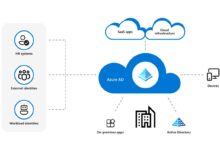
To sign in to Azure portal, you need valid credentials tied to a Microsoft account or an Azure Active Directory (Azure AD) account. This could be a personal Microsoft account (like outlook.com or hotmail.com) or a work or school account provided by an organization using Microsoft 365 or Azure services.
What Is the Azure Portal?
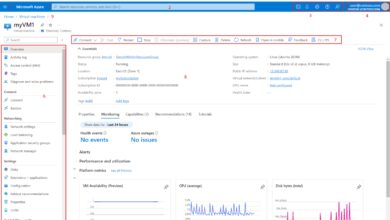
The Azure portal (portal.azure.com) is a unified console that allows users to create, configure, monitor, and manage Azure resources. It features a dashboard interface with customizable blades, resource groups, and quick-access menus. Think of it as the control center for your cloud infrastructure.
According to Microsoft, over 95% of Fortune 500 companies use Azure, making it critical for businesses and developers alike to know how to sign in to Azure portal efficiently and securely.
Different Types of Azure Accounts
There are primarily two types of accounts used to sign in to Azure portal:
- Microsoft Personal Account: Used for individual subscriptions, such as free trials or pay-as-you-go plans.
- Work or School Account (Azure AD): Managed by organizations, often linked to Microsoft 365 or enterprise Azure subscriptions.
Understanding which account type you have is crucial because it affects authentication methods, access levels, and security settings. For example, organizational accounts may require multi-factor authentication (MFA) or conditional access policies enforced by IT administrators.
“The Azure portal is the gateway to your cloud resources—securing access starts with a proper sign-in process.” — Microsoft Azure Documentation
Step-by-Step Guide to Sign In to Azure Portal
Now that you understand the foundation, let’s walk through the actual process of how to sign in to Azure portal. This section breaks down each step clearly, ensuring even beginners can follow along without confusion.
Whether you’re accessing Azure from a desktop, tablet, or mobile device, the process remains consistent across devices. Just ensure you’re using a supported browser like Microsoft Edge, Google Chrome, or Firefox for optimal performance.
Navigate to the Official Azure Portal URL
The first step is to open your web browser and go to the official Azure portal website: https://portal.azure.com. Always double-check the URL to avoid phishing sites. Never click on suspicious links from emails claiming to be from Microsoft.
Microsoft also provides alternative access points, such as https://azure.microsoft.com, where you can click “Sign In” at the top-right corner to be redirected securely to the portal.
Enter Your Credentials
Once on the login page, enter your email address, phone number, or Skype username associated with your Microsoft or work/school account. After entering your username, click “Next.”
You’ll then be prompted to enter your password. Make sure Caps Lock is off and that you’re using the correct keyboard layout, especially if your password contains special characters.
sign in to azure portal – Sign in to azure portal menjadi aspek penting yang dibahas di sini.
If you’re signing in for the first time, you might see additional prompts, such as accepting terms of service or verifying your identity.
Complete Authentication and Access Dashboard
After entering your password, Azure may require additional verification steps depending on your account’s security settings. These can include:
- Multi-Factor Authentication (MFA) via phone call, text message, or authenticator app
- Security questions
- Biometric verification (e.g., Windows Hello)
Once authenticated, you’ll be redirected to the Azure dashboard. From here, you can view your subscriptions, deploy resources, check billing, and manage access controls.
Common Issues When Trying to Sign In to Azure Portal
Even with a straightforward process, users often encounter obstacles when trying to sign in to Azure portal. These issues range from forgotten passwords to network restrictions. Identifying and resolving them quickly is key to maintaining productivity.
Below are some of the most frequent problems and their solutions.
Forgot Password or Locked Account
One of the most common issues is forgetting your password or having your account locked due to multiple failed attempts. If this happens, click “Forgot password?” on the sign-in screen.
You’ll be guided through a recovery process that typically involves verifying your identity via email, phone, or security questions. For work or school accounts, your organization’s IT department may need to reset your password.
Microsoft recommends setting up self-service password reset (SSPR) in advance to minimize downtime. You can configure this through Azure AD settings if you have administrative privileges.
Multi-Factor Authentication Failures
MFA is a critical security layer, but it can cause login issues if not set up properly. Common problems include:
- Not receiving SMS codes
- Authenticator app not generating valid codes
- Lost or replaced phone
To resolve these, ensure your contact methods are up to date in your profile. You can manage these under “Security info” in your Microsoft account settings.
If you’re locked out, use backup methods like app passwords or alternate verification options. Organizations should also enable emergency access accounts for IT support.
Browser or Network Issues
Sometimes, the problem isn’t with your credentials but with your browser or network. Clearing cookies and cache, disabling browser extensions, or switching to a private/incognito window can help.
Corporate networks may block access to portal.azure.com due to firewall rules or proxy settings. In such cases, contact your network administrator to whitelist Azure domains or provide a secure access method like a virtual private network (VPN).
sign in to azure portal – Sign in to azure portal menjadi aspek penting yang dibahas di sini.
“Over 40% of Azure login issues are resolved by simply clearing browser data or switching browsers.” — Microsoft Support Forums
Security Best Practices After You Sign In to Azure Portal
Successfully signing in to Azure portal is just the beginning. Once inside, it’s vital to follow security best practices to protect your cloud environment from unauthorized access and cyber threats.
Azure provides robust tools for identity and access management, but they must be configured correctly to be effective.
Enable Multi-Factor Authentication (MFA)
MFA adds an extra layer of security by requiring users to verify their identity using at least two methods—something you know (password), something you have (phone or token), or something you are (biometrics).
To enable MFA:
- Go to the Azure portal
- Navigate to “Azure Active Directory”
- Select “Users” > “Multi-Factor Authentication”
- Choose the users and enable MFA
For organizations, consider enforcing MFA through Conditional Access policies, which can require MFA based on user location, device compliance, or risk level.
Use Role-Based Access Control (RBAC)
Risk increases when users have more permissions than necessary. Azure’s Role-Based Access Control (RBAC) allows you to assign granular permissions based on job responsibilities.
Common built-in roles include:
- Owner: Full access to all resources and can delegate access
- Contributor: Can create and manage resources but can’t grant access
- Reader: Can view resources but not make changes
Always follow the principle of least privilege—grant only the minimum permissions needed.
Monitor Sign-In Activity
Azure Monitor and Azure AD Sign-In Logs allow you to track who accessed your portal, when, and from where. This is crucial for detecting suspicious activity.
To view sign-in logs:
- In the Azure portal, go to “Azure Active Directory”
- Click on “Sign-ins” under Monitoring
- Filter by user, app, status, or risk level
You can also set up alerts for failed login attempts or sign-ins from unusual locations using Azure Monitor or Microsoft Defender for Cloud.
How to Sign In to Azure Portal Using Different Authentication Methods
Microsoft supports various authentication methods beyond username and password, enhancing both security and convenience. Knowing how to sign in to Azure portal using these methods gives you flexibility and resilience against common threats like phishing.
Using Microsoft Authenticator App
The Microsoft Authenticator app is one of the most secure and user-friendly ways to authenticate. It generates time-based one-time passwords (TOTP) and supports push notifications for approval.
sign in to azure portal – Sign in to azure portal menjadi aspek penting yang dibahas di sini.
To set it up:
- Download the app from Google Play or Apple App Store
- In your Microsoft account security settings, add a new verification method
- Scan the QR code with the app
- Approve a test notification to confirm setup
Once configured, you’ll receive a prompt on your phone every time you sign in, making it harder for attackers to gain access even if they have your password.
Signing In with Windows Hello or Biometrics
If you’re using a Windows 10 or 11 device, Windows Hello allows passwordless sign-in using facial recognition, fingerprint, or a PIN. This method is both secure and fast.
To use Windows Hello with Azure:
- Ensure your device has compatible hardware (e.g., infrared camera)
- Set up Windows Hello in Windows Settings
- Link it to your Microsoft account or Azure AD
When you sign in to Azure portal from that device, you’ll be prompted to use your biometric method instead of a password.
Using Single Sign-On (SSO) and SAML
Large organizations often use Single Sign-On (SSO) to streamline access across multiple applications. Azure supports SSO via SAML, OAuth, and OpenID Connect.
With SSO, users sign in once to their corporate identity provider (like Okta or PingIdentity) and gain seamless access to Azure without re-entering credentials.
To configure SSO:
- In Azure AD, go to “Enterprise Applications”
- Select the app and configure “Single sign-on”
- Choose SAML and upload metadata from your identity provider
This method reduces password fatigue and improves security by centralizing authentication.
Managing Multiple Subscriptions After You Sign In to Azure Portal
Many users have more than one Azure subscription—perhaps a personal one, a work one, and a dev/test environment. Managing them effectively after you sign in to Azure portal is crucial for avoiding confusion and billing errors.
Switching Between Subscriptions
Once signed in, you can switch between subscriptions using the subscription filter at the top of the portal. Click on the dropdown menu next to “Subscriptions” and select the one you want to work with.
All resources, costs, and permissions are scoped to the selected subscription. Always double-check which subscription you’re in before deploying resources to avoid unexpected charges.
Consolidating Billing and Access
For organizations managing multiple subscriptions, Azure Management Groups and Azure Lighthouse can help centralize governance.
sign in to azure portal – Sign in to azure portal menjadi aspek penting yang dibahas di sini.
Management Groups allow you to apply policies and RBAC across multiple subscriptions at once. Azure Lighthouse enables service providers to manage customer environments at scale with delegated access.
Additionally, use Azure Cost Management + Billing to track spending across subscriptions, set budgets, and receive alerts when thresholds are exceeded.
Using Azure CLI and PowerShell After Signing In
While the portal is great for visual management, many advanced users prefer command-line tools like Azure CLI or Azure PowerShell.
After signing in via the portal, you can open Cloud Shell directly from the top menu. This browser-based shell lets you run CLI or PowerShell commands without installing anything locally.
To authenticate CLI or PowerShell:
- Run
az loginorConnect-AzAccount - Follow the browser-based sign-in flow
- Select the correct subscription with
az account set --subscription "Subscription Name"
These tools are essential for automation, scripting, and managing large-scale deployments.
Advanced Tips for Power Users Who Sign In to Azure Portal
For experienced users, the Azure portal offers powerful customization and automation features that can save time and reduce errors.
Mastering these tools transforms the portal from a simple dashboard into a highly efficient command center.
Customizing the Azure Dashboard
The default Azure dashboard can be personalized to show only the resources and metrics that matter to you. You can add, resize, and arrange tiles for virtual machines, storage accounts, alerts, and more.
To customize:
- Click “Edit dashboard”
- Drag and drop tiles from the gallery
- Pin resources directly from their overview pages
- Save as a private or shared dashboard
Teams can share dashboards to maintain visibility across projects. For example, a DevOps team might create a dashboard showing deployment status, CPU usage, and alert history.
Using Azure Resource Graph for Fast Queries
When managing hundreds of resources, finding what you need can be slow. Azure Resource Graph allows you to run fast, Kusto-based queries across all your resources.
For example, to find all virtual machines in a specific region:
sign in to azure portal – Sign in to azure portal menjadi aspek penting yang dibahas di sini.
Resources | where type == "microsoft.compute/virtualmachines" | where location == "eastus"
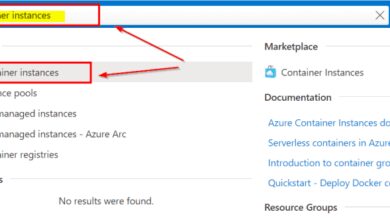
Access Resource Graph Explorer from the portal’s search bar. It’s invaluable for auditing, compliance, and troubleshooting.
Setting Up Alerts and Automation
Don’t wait for issues to escalate. Use Azure Monitor to create alerts based on metrics or logs.
You can also integrate with Azure Automation or Logic Apps to trigger actions automatically—like restarting a VM when it crashes or sending a Slack message when a backup fails.
To set up an alert:
- Navigate to “Monitor” > “Alerts”
- Create a new alert rule
- Define the condition, action group, and alert logic
Automation ensures your cloud environment stays resilient with minimal manual intervention.
How do I recover my Azure account if I forgot my password?
If you’ve forgotten your password, go to the Azure sign-in page and click “Forgot password?” Follow the prompts to verify your identity via email, phone, or security questions. For work accounts, contact your organization’s IT administrator for assistance.
Why can’t I sign in to Azure portal even with the correct password?
This could be due to multi-factor authentication issues, account lockout, browser cache problems, or network restrictions. Try clearing your browser data, using a different browser, or checking your MFA settings. If the issue persists, consult your IT admin or Microsoft support.
Can I use single sign-on (SSO) to access Azure portal?
Yes, organizations can configure SSO using Azure AD with identity providers like Okta, AD FS, or PingIdentity. This allows users to sign in once and access Azure without re-entering credentials.
Is it safe to sign in to Azure portal on public Wi-Fi?
It’s not recommended to sign in to Azure portal on public Wi-Fi due to the risk of man-in-the-middle attacks. Always use a secure, private network or a trusted VPN when accessing sensitive cloud environments.
sign in to azure portal – Sign in to azure portal menjadi aspek penting yang dibahas di sini.
What should I do if I see a suspicious sign-in attempt?
If you notice a suspicious sign-in, immediately review the Azure AD sign-in logs, change your password, and enable MFA if not already active. Report the incident to your security team and consider blocking the IP address through conditional access policies.
Signing in to Azure portal is more than just entering a username and password—it’s the first step in securely managing your cloud journey. From understanding account types to mastering advanced tools, this guide has walked you through every critical aspect. By following best practices like enabling MFA, using RBAC, and monitoring sign-in activity, you can ensure your Azure environment remains both accessible and secure. Whether you’re a beginner or a power user, mastering the sign-in process empowers you to take full control of Microsoft’s powerful cloud platform.
Further Reading: