In today’s fast-evolving digital landscape, businesses are turning to cloud solutions more than ever. Among the most impactful strategies is combining modern development practices with Azure, Microsoft’s robust cloud platform. This powerful synergy—often referred to as ‘and azure’—is reshaping how companies scale, innovate, and secure their operations. From startups to enterprises, leveraging integration patterns with Azure unlocks unprecedented agility and performance. Let’s dive into how this approach is revolutionizing cloud computing.



Understanding the Concept of ‘and azure’ in Modern Cloud Architecture

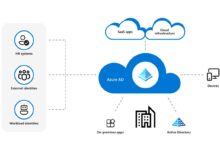
The phrase ‘and azure’ might seem vague at first glance, but in the context of cloud computing and digital transformation, it represents a strategic integration—connecting existing systems, applications, or development methodologies with Microsoft Azure. It’s not just about migrating to the cloud; it’s about enhancing capabilities by combining on-premises infrastructure, legacy systems, or third-party tools with Azure to achieve greater efficiency, scalability, and innovation.
What Does ‘and azure’ Actually Mean?
At its core, ‘and azure’ signifies a hybrid or integrated approach. Instead of a complete overhaul, organizations choose to augment their current technology stack with Azure services. For example, a company might run its core ERP system on-premises but use Azure for AI-driven analytics, machine learning, or disaster recovery. This allows for a smoother transition, reduced risk, and cost-effective scaling.
- ‘and azure’ often refers to hybrid cloud models where Azure complements existing infrastructure.
- It enables organizations to innovate without abandoning legacy systems.
- The phrase is commonly used in enterprise architecture discussions around digital transformation.
Why ‘and azure’ Is More Than Just a Buzzword
Unlike fleeting tech trends, ‘and azure’ reflects a fundamental shift in how businesses approach cloud adoption. According to Microsoft, over 95% of Fortune 500 companies use Azure, many in conjunction with their existing systems. This integration is not accidental—it’s a deliberate strategy to balance innovation with stability.
“The future of enterprise IT isn’t about choosing between on-premises and cloud—it’s about integrating both effectively. That’s where ‘and azure’ comes in.” — Microsoft Azure CTO
By adopting an ‘and azure’ mindset, companies can leverage Azure’s global data centers, AI tools, and security frameworks while maintaining control over critical internal systems.
Key Benefits of Integrating Systems with Azure
When organizations adopt the ‘and azure’ philosophy, they unlock a wide range of advantages. These benefits go beyond simple cost savings—they touch on performance, security, scalability, and innovation. Let’s explore the most impactful benefits of integrating with Azure.
Enhanced Scalability and Flexibility
One of the most compelling reasons to go ‘and azure’ is the ability to scale resources on demand. Traditional IT infrastructure often struggles with traffic spikes or seasonal demand. With Azure, businesses can dynamically allocate computing power, storage, and networking resources.
- Auto-scaling features in Azure allow applications to handle increased loads without manual intervention.
- Hybrid setups enable companies to keep steady-state workloads on-premises while bursting into Azure during peak times.
- This flexibility is especially valuable for e-commerce, media streaming, and SaaS platforms.
Improved Security and Compliance
Security is a top concern for any organization moving to the cloud. Azure offers one of the most comprehensive security ecosystems in the industry, including built-in threat detection, identity management, and compliance certifications.
When you integrate your systems with Azure, you gain access to tools like Azure Security Center, Microsoft Defender for Cloud, and Azure Active Directory. These services provide end-to-end protection across hybrid environments.
- Azure complies with over 100 global and industry-specific standards, including GDPR, HIPAA, and ISO 27001.
- Zero Trust security models can be implemented seamlessly across on-prem and cloud resources.
- Continuous monitoring and automated threat response reduce the risk of data breaches.
For more details on Azure’s security framework, visit Microsoft’s official Azure Security Center.
How ‘and azure’ Enables Digital Transformation
Digital transformation is no longer optional—it’s a necessity for survival in today’s competitive market. The ‘and azure’ approach plays a pivotal role in enabling this transformation by providing the infrastructure, tools, and agility needed to innovate rapidly.
Accelerating Application Development
With Azure DevOps and Azure Kubernetes Service (AKS), development teams can build, test, and deploy applications faster than ever. The ‘and azure’ model allows organizations to modernize their software development lifecycle without disrupting existing workflows.
- CI/CD pipelines can be set up in minutes using Azure DevOps.
- Microservices architecture can be implemented using AKS, improving scalability and maintainability.
- Developers can leverage Azure Functions for serverless computing, reducing infrastructure overhead.
Empowering Data-Driven Decision Making
Data is the lifeblood of modern business. By integrating data systems with Azure, companies can harness the power of big data, AI, and real-time analytics.
Azure Synapse Analytics, Azure Data Lake, and Power BI enable organizations to collect, process, and visualize data from multiple sources. Whether it’s customer behavior, supply chain logistics, or financial performance, Azure provides the tools to turn raw data into actionable insights.
“Organizations that combine their data systems with Azure see a 40% improvement in decision-making speed.” — Gartner Research, 2023
Real-World Use Cases of ‘and azure’ in Enterprise Environments
Theoretical benefits are one thing, but real-world applications prove the value of any technology. Across industries, companies are successfully implementing ‘and azure’ strategies to solve complex challenges and drive innovation.
Healthcare: Secure Patient Data Management
In the healthcare sector, a major U.S. hospital network integrated its electronic health records (EHR) system with Azure to improve data accessibility and disaster recovery. By using Azure Site Recovery and Azure Backup, they ensured 99.9% uptime and compliance with HIPAA regulations.
- Patient data is encrypted both in transit and at rest.
- Doctors can access records from any location via secure Azure-hosted portals.
- AI-powered diagnostics are being tested using Azure Machine Learning.
Manufacturing: Predictive Maintenance with IoT and Azure
A global automotive manufacturer deployed IoT sensors on its production lines and connected them with Azure using Azure IoT Hub. This integration allows real-time monitoring of equipment health and predictive maintenance alerts.
- Downtime has been reduced by 30% since implementation.
- Data from sensors is analyzed using Azure Stream Analytics.
- Machine learning models predict failures before they occur, saving millions in repair costs.
Learn more about IoT solutions with Azure at Azure IoT Hub official page.
Challenges and Considerations When Going ‘and azure’
While the benefits are substantial, integrating with Azure is not without challenges. Organizations must carefully plan their ‘and azure’ strategy to avoid common pitfalls and ensure long-term success.
Complexity of Hybrid Network Configuration
Setting up a seamless connection between on-premises systems and Azure requires careful network design. Issues like latency, bandwidth limitations, and firewall rules can hinder performance if not properly addressed.
- Azure ExpressRoute provides private, high-speed connections but comes with additional costs.
- Virtual Network (VNet) peering and site-to-site VPNs must be configured correctly.
- Network monitoring tools like Azure Monitor are essential for troubleshooting.
Data Sovereignty and Regulatory Compliance
When data moves between on-premises and cloud environments, legal and regulatory concerns arise. Different countries have varying data protection laws, and organizations must ensure compliance when using Azure’s global infrastructure.
- Azure allows customers to choose data residency regions during setup.
- Tools like Azure Policy help enforce compliance rules across resources.
- Regular audits and documentation are required for regulated industries.
Best Practices for Implementing ‘and azure’ Successfully
To maximize the return on investment and minimize risks, organizations should follow proven best practices when adopting an ‘and azure’ approach. These guidelines ensure a smooth transition and sustainable integration.
Start with a Clear Strategy and Roadmap
Before any technical implementation, define your goals. Are you looking to improve scalability? Enhance security? Reduce costs? A clear strategy will guide your Azure integration efforts.
- Conduct a thorough assessment of your current IT infrastructure.
- Identify workloads that are ideal candidates for Azure (e.g., variable workloads, data analytics).
- Create a phased migration plan to minimize disruption.
Leverage Azure’s Migration Tools
Microsoft provides a suite of tools to simplify the migration process. Azure Migrate, for example, assesses on-premises servers and recommends the best migration path.
- Azure Migrate supports VMware, Hyper-V, and physical servers.
- It provides cost estimates and performance recommendations.
- Migration can be done in stages, allowing for testing and validation.
Explore Azure Migrate at Azure Migrate official site.
Future Trends: Where ‘and azure’ Is Headed
The ‘and azure’ paradigm is not static—it’s evolving alongside advancements in AI, edge computing, and quantum computing. As Microsoft continues to innovate, the ways organizations integrate with Azure will become even more powerful and accessible.
Azure AI and Machine Learning Integration
Artificial intelligence is becoming a core component of business operations. Azure’s AI services, such as Azure Cognitive Services and Azure Machine Learning, allow companies to embed intelligence into their applications with Azure.
- Chatbots, image recognition, and natural language processing are now easily integrated.
- Pre-built AI models reduce development time and expertise requirements.
- Custom models can be trained using Azure’s scalable compute resources.
Edge Computing and Azure IoT Edge
As latency-sensitive applications grow, edge computing is gaining traction. Azure IoT Edge allows organizations to run Azure services directly on edge devices, enabling real-time processing without constant cloud connectivity.
- Useful in remote locations like oil rigs, farms, or autonomous vehicles.
- Data is processed locally, reducing bandwidth usage and improving response times.
- Updates and models are managed centrally from Azure.
How to Get Started with ‘and azure’ Today
Beginning your ‘and azure’ journey doesn’t have to be overwhelming. With the right approach, even small teams can make meaningful progress toward cloud integration.
Assess Your Current Infrastructure
Start by taking inventory of your existing systems, applications, and data flows. Identify which components could benefit from Azure integration.
- Use tools like Azure Advisor to get personalized recommendations.
- Engage with Microsoft’s Azure readiness assessment services.
- Involve stakeholders from IT, security, and business units.
Build a Proof of Concept (PoC)
Before full-scale deployment, run a small-scale PoC to test the integration. Choose a non-critical workload to minimize risk.
- Example: Migrate a development environment to Azure Virtual Machines.
- Test performance, security, and cost implications.
- Gather feedback and refine your approach before scaling.
Train Your Team on Azure Skills
Successful integration requires skilled personnel. Invest in training for your IT and development teams.
- Microsoft offers free learning paths on Microsoft Learn.
- Certifications like Azure Administrator (AZ-104) and Azure Developer (AZ-204) are highly valuable.
- Consider hiring Azure consultants for complex migrations.
What does ‘and azure’ mean in cloud computing?
‘and azure’ refers to the strategic integration of existing systems, applications, or development processes with Microsoft Azure. It emphasizes a hybrid or complementary approach rather than a full cloud migration, allowing organizations to enhance their current infrastructure with Azure’s scalable, secure, and innovative cloud services.
Why should a company consider going ‘and azure’?
Companies should consider ‘and azure’ to improve scalability, enhance security, reduce operational costs, and accelerate digital transformation. By combining on-premises systems with Azure, businesses can innovate faster while maintaining control over critical operations and data.
What are the main challenges of integrating with Azure?
Common challenges include network complexity, data sovereignty concerns, skill gaps in Azure technologies, and cost management. Proper planning, use of migration tools, and team training can mitigate these risks effectively.
How can I start implementing ‘and azure’ in my organization?
Begin by assessing your current IT environment, identifying suitable workloads for Azure, and creating a phased migration plan. Use Azure Migrate for assessment, run a proof of concept, and invest in team training through Microsoft Learn or certification programs.
Is ‘and azure’ suitable for small businesses?
Absolutely. Small businesses can benefit from ‘and azure’ by using Azure for specific needs like website hosting, data backup, or CRM integration. The pay-as-you-go model makes it cost-effective, and Microsoft offers support and tools tailored for SMBs.
Integrating systems and strategies with Azure is no longer just an option—it’s a strategic imperative for organizations aiming to stay competitive in the digital age. The ‘and azure’ approach offers a balanced, flexible, and powerful way to modernize IT infrastructure without starting from scratch. From enhanced scalability and security to AI-driven innovation and edge computing, Azure provides the tools needed to transform how businesses operate. By understanding the benefits, learning from real-world use cases, and following best practices, any organization—regardless of size—can successfully embark on its ‘and azure’ journey. The future of cloud integration is here, and it’s built on collaboration, innovation, and smart architecture.
Further Reading: